The Landlocked Lot That Wasn't
A Florida lot priced as landlocked hid a recorded access easement and a wrong flood zone, up to $180,000 in value that a title report missed. The difference was researching three parcels instead of one.
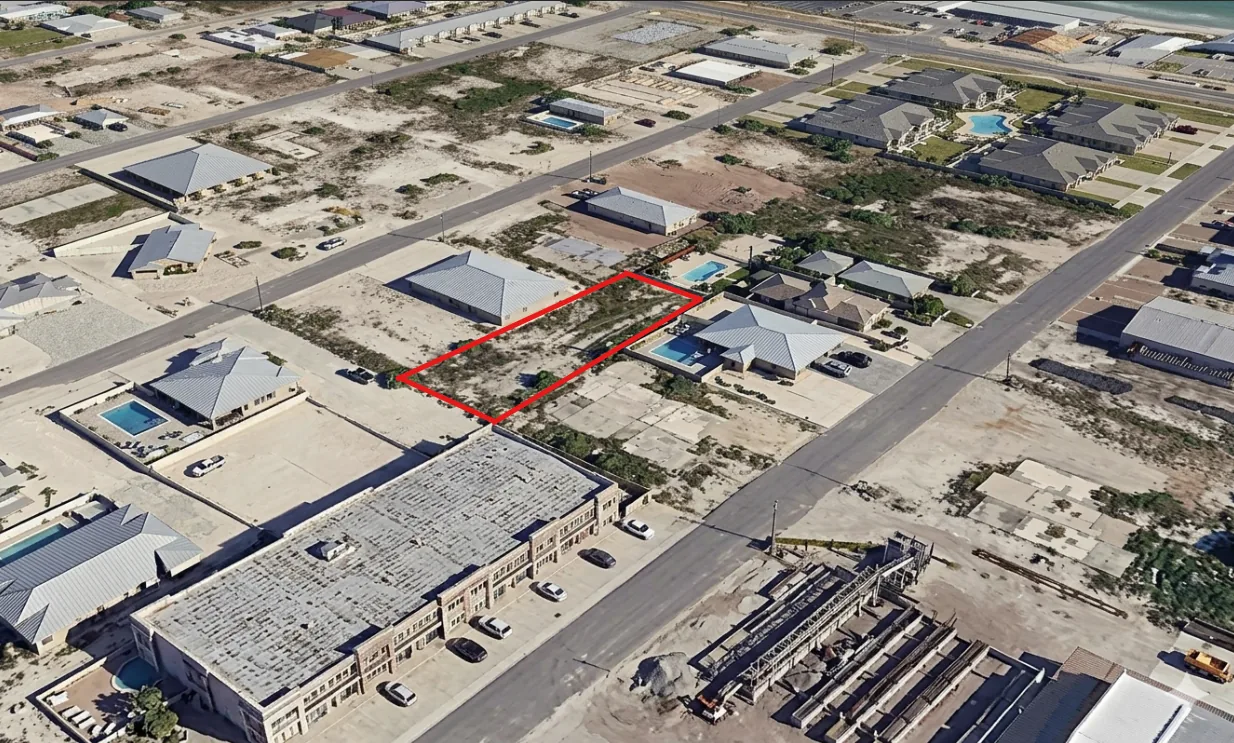
A lot in the Florida panhandle sat unsold for years. Vacant, no takers, for one reason: nobody could confirm it had legal access to a public road. No access, no building permit. No permit, and it isn’t a building lot, just a patch of land with a tax bill.
Solving that access question was worth roughly $100,000 in equity. A flood-zone error sitting next to it was worth another $80,000. Up to $180,000 in combined value, surfaced by a SiteFacts report that cost less than $900.
Why “landlocked” wasn’t the whole story
The parcel is about 0.16 acres in a subdivision platted in the 1950s. On the original plat it wasn’t a building lot at all. It was a drainage channel between two blocks. Decades of deed conveyances reshaped it into something buildable-sized, and the county gave it a tax ID and an address. What it never inherited was legal access. The path to the street crossed a neighbor’s lot.
A title report had referenced a 1950 plat easement, but the appendix it pointed to wasn’t attached, so the title company couldn’t confirm the easement was valid, recorded, or enforceable. The city’s records search came back without confirmation. Most buyers read that dead end as a “no.”
Three parcels, not one
A title search examines a single parcel. To answer the access question, SiteFacts researched three: the subject lot, the lot between it and the street, and the parent parcel both were carved from.
That is how a recorded, surveyed access easement, created by a Warranty Deed with physical monuments in the ground, was found and confirmed. It runs with the land, transfers with every sale, and doesn’t expire. The lot had confirmed access the entire time.
The flood zone the listing got wrong
The listing described flood risk in terms consistent with a low-risk zone. The property’s actual FEMA designation was Special Flood Hazard Area, Zone AE, the highest-risk classification, meaning at least a 1% annual chance of flooding. Building there instead of low-risk Zone X requires an elevated foundation, a finished floor at least 1.5 feet above base flood elevation, an elevation certificate, specialized engineering, and mandatory flood insurance as a condition of financing, roughly $80,000 in added construction cost that a buyer would have discovered mid-build, not before the offer.
Research also confirmed a zoning classification that only looked outdated, and turned up a building permit reference buried in a PDF’s filename metadata, detail a standard records search never sees.
Where this fits in the deal
SiteFacts sits upstream of the attorneys, surveyors, and geotechs: the screening layer that tells you whether to hire them and what to ask them to check. A title search protects the lender; due diligence protects the buyer. This lot was never unusable. It was under-researched.
Research before you offer
A pre-offer SiteFacts report reads the deed chain across parcels and verifies the FEMA designation, before your earnest money moves.