 Due Diligence
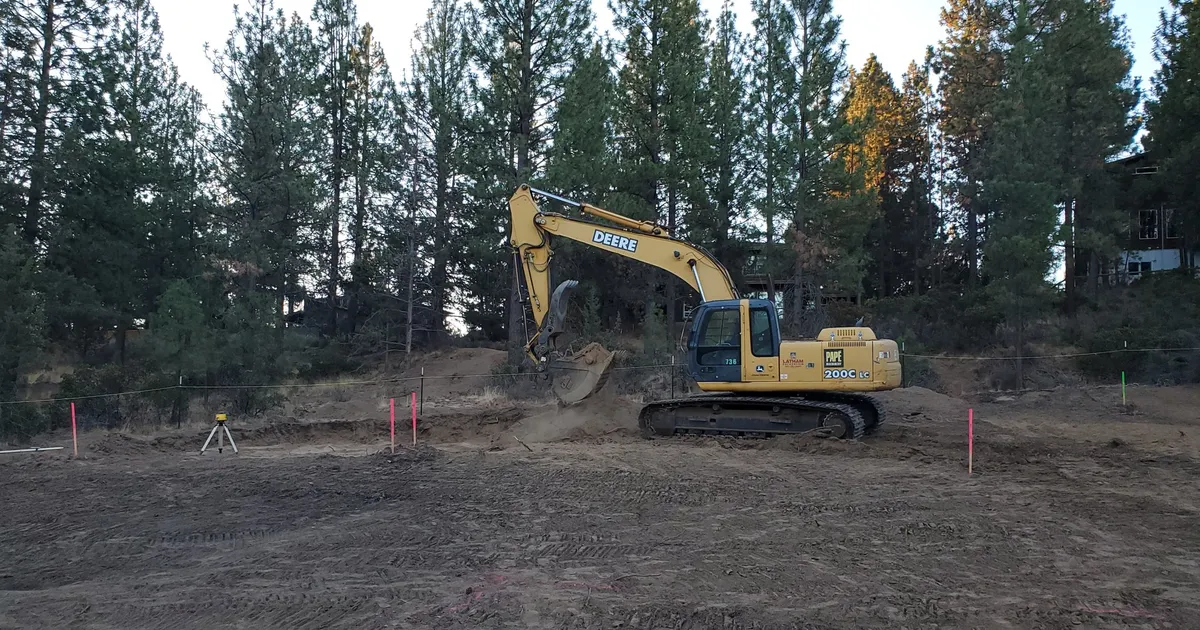
Floodplain Development Permit: What It Covers and How to Get One
A floodplain development permit is the local permit for building, filling or grading in a mapped flood zone. What it covers and how to get one.
Read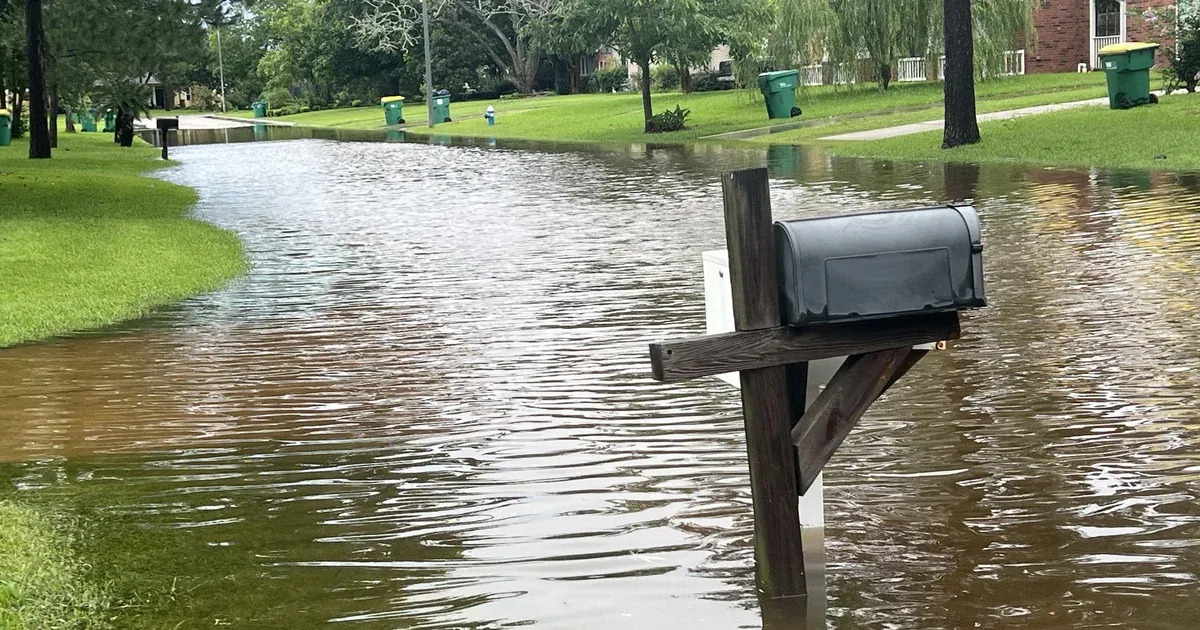 Due Diligence
Your Customer's Lot Is in a Flood Zone. Can You Build? A Builder's Step-by-Step Guide
Building in a flood zone or floodplain starts with a local permit and a surveyor. Eight steps from map check to final certificate, in plain words.
Read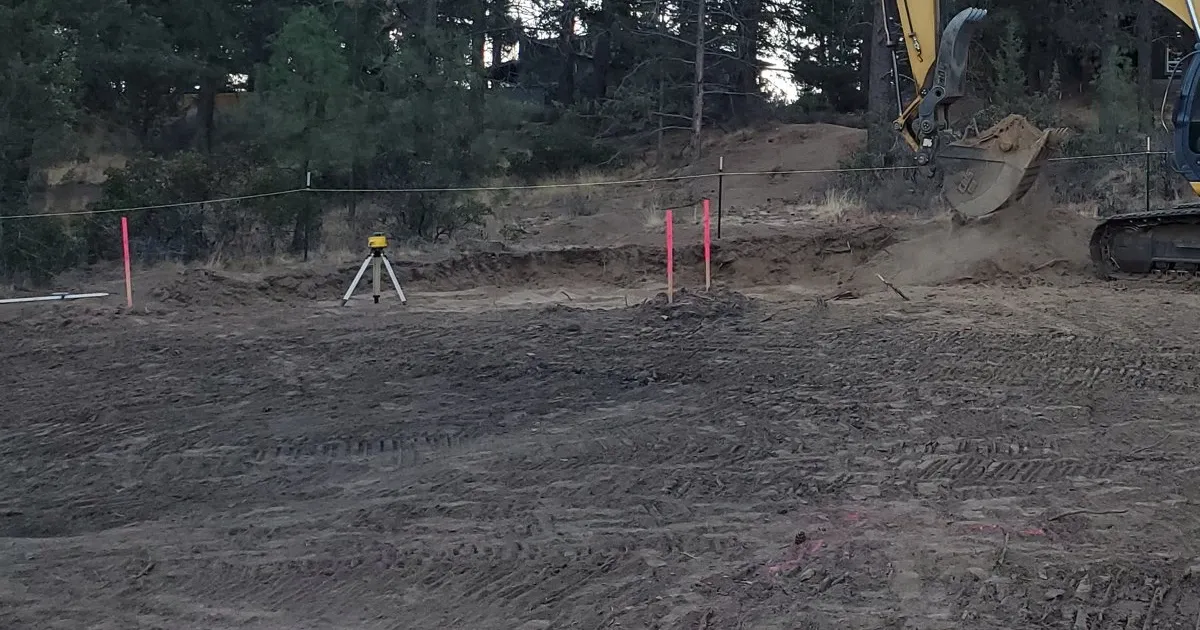 Due Diligence
Elevation Certificates: A Builder's Guide to Timing, Cost and What Gets Measured
An elevation certificate records how high a house sits against the base flood elevation. Who signs it, when you need it and what the surveyor measures.
Read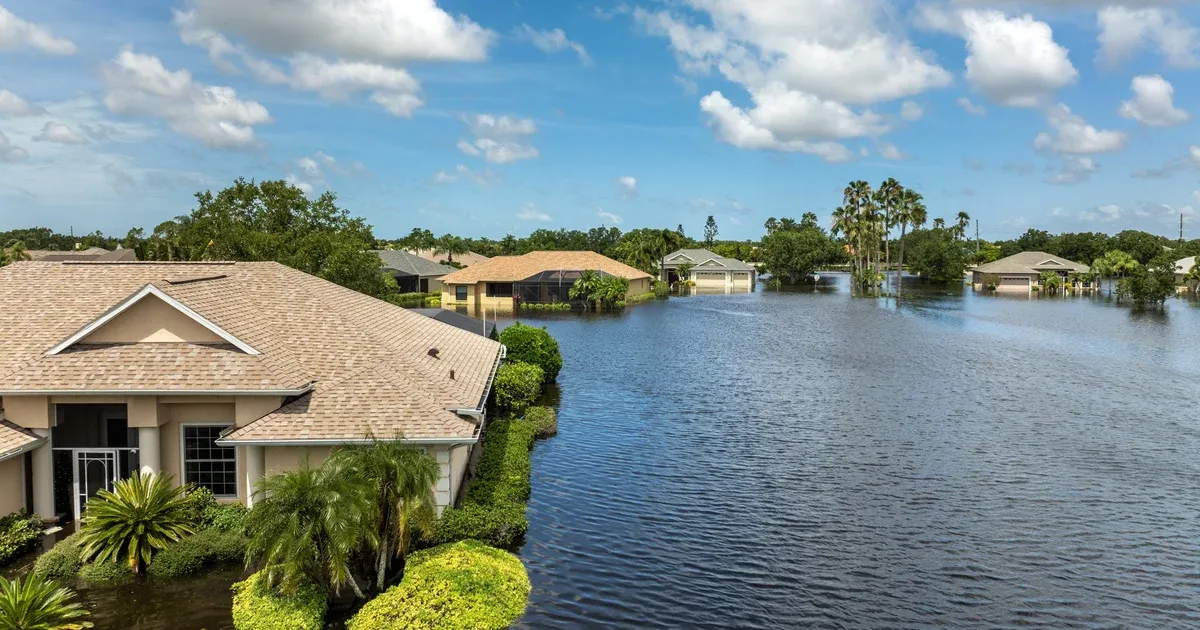 Due Diligence
Flood Insurance on New Construction: Why Meeting Code Doesn't Set Your Premium
An elevation certificate is optional for NFIP flood insurance now, but it can affect the rate. Why meeting code and your premium are separate.
Read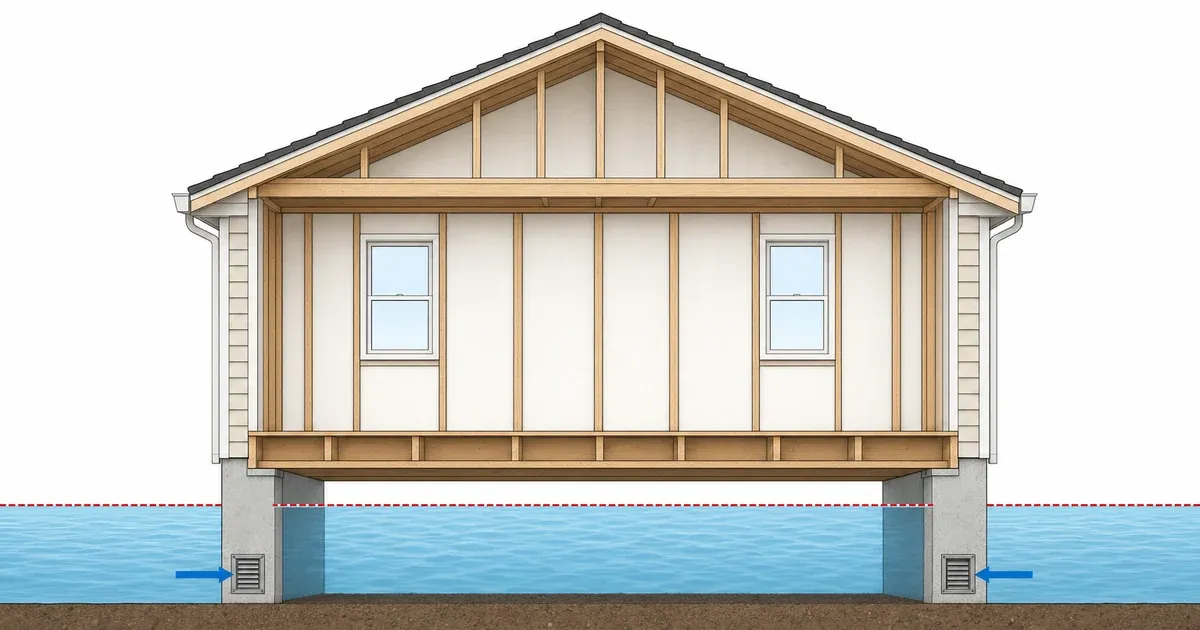 Due Diligence
Flood Vents: Requirements, Engineered vs Non-Engineered, and How Many You Need
Flood vents let water in and out of a crawlspace below the BFE. See the 1 square inch rule, engineered vs not, and a worked example.
Read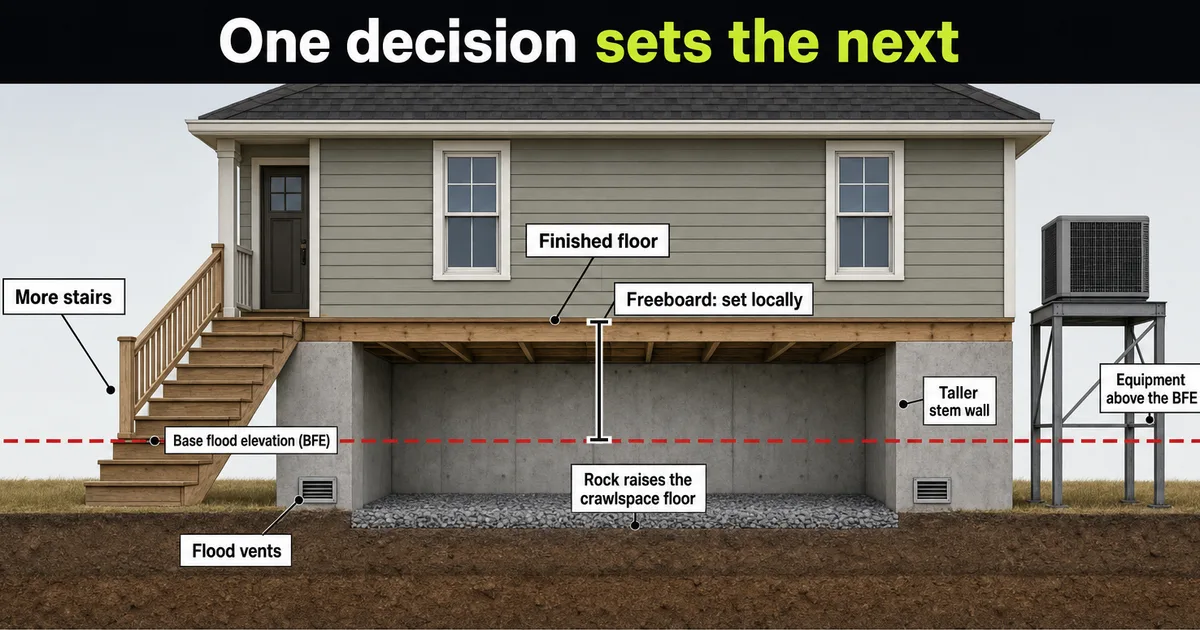 Due Diligence
How to Build a House in a Flood Zone: Design Decisions in Order
How to build a house in a flood zone: start with the required floor height, then walls, crawlspace, fill and stairs. Each choice sets the next.
Read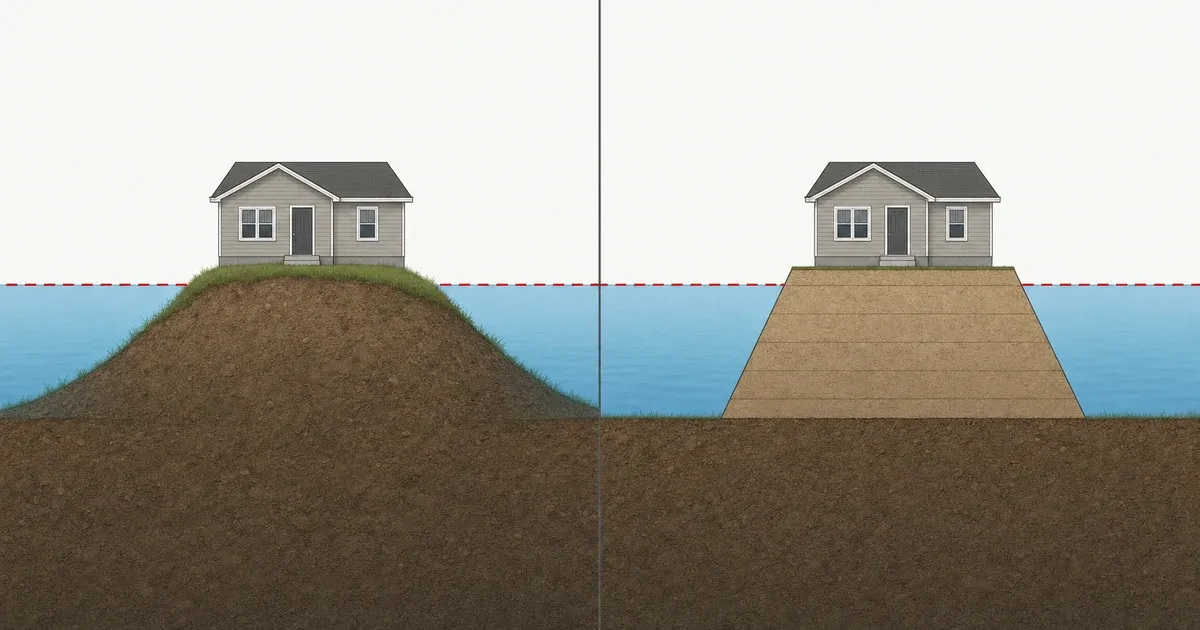 Due Diligence
LOMA vs LOMR-F: How to Get a Lot Out of the Flood Zone
LOMA, LOMR-F and LOMR are three different FEMA letters. Here is which one fits a lot, who does the work, and what fill has to do with it.
Read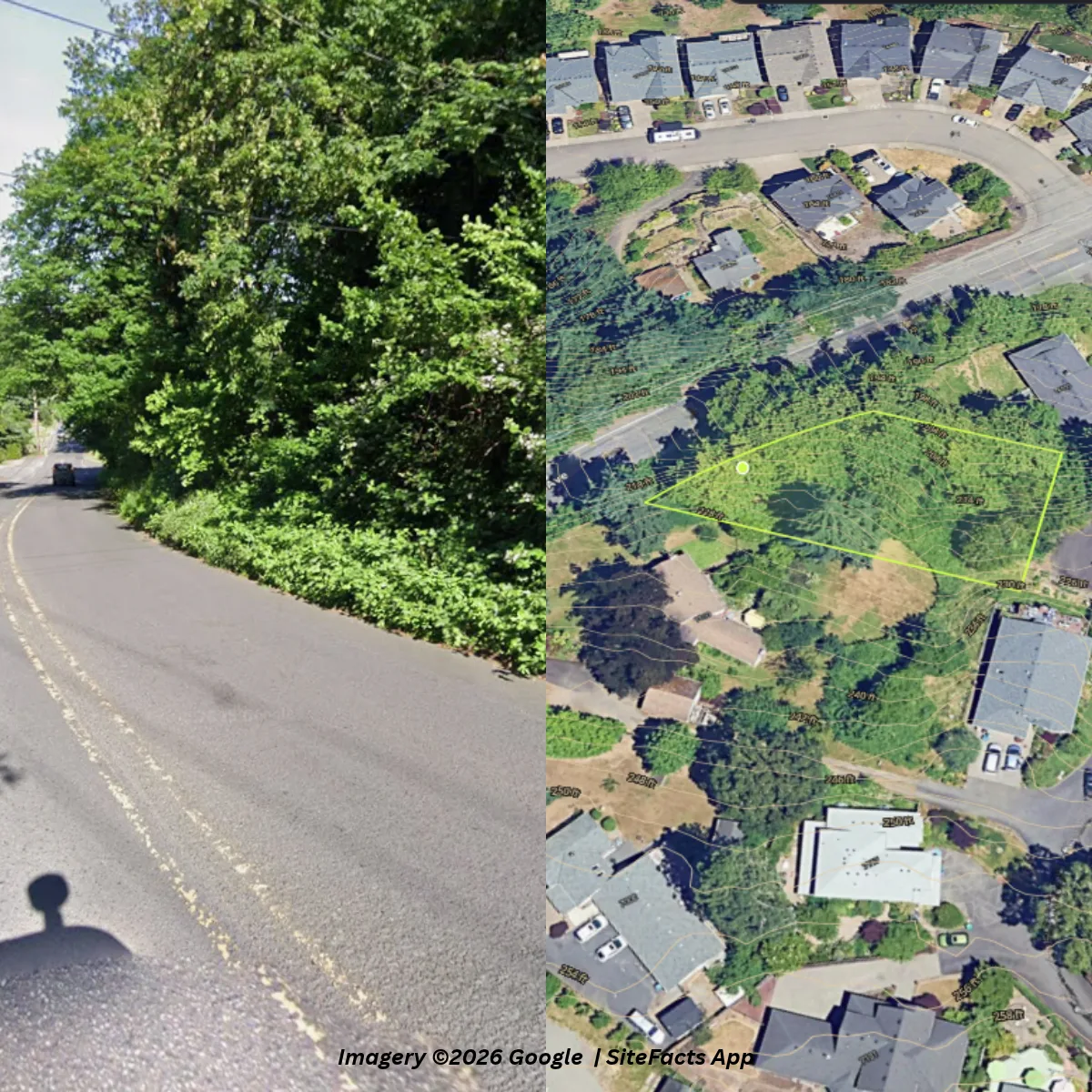 Due Diligence
This Lot Fronts a Public Road. It May Be Landlocked Anyway.
A lot on a paved county road may still have no approvable driveway. A 1990s survey, a voided plat process and a missing easement show how it happens.
Read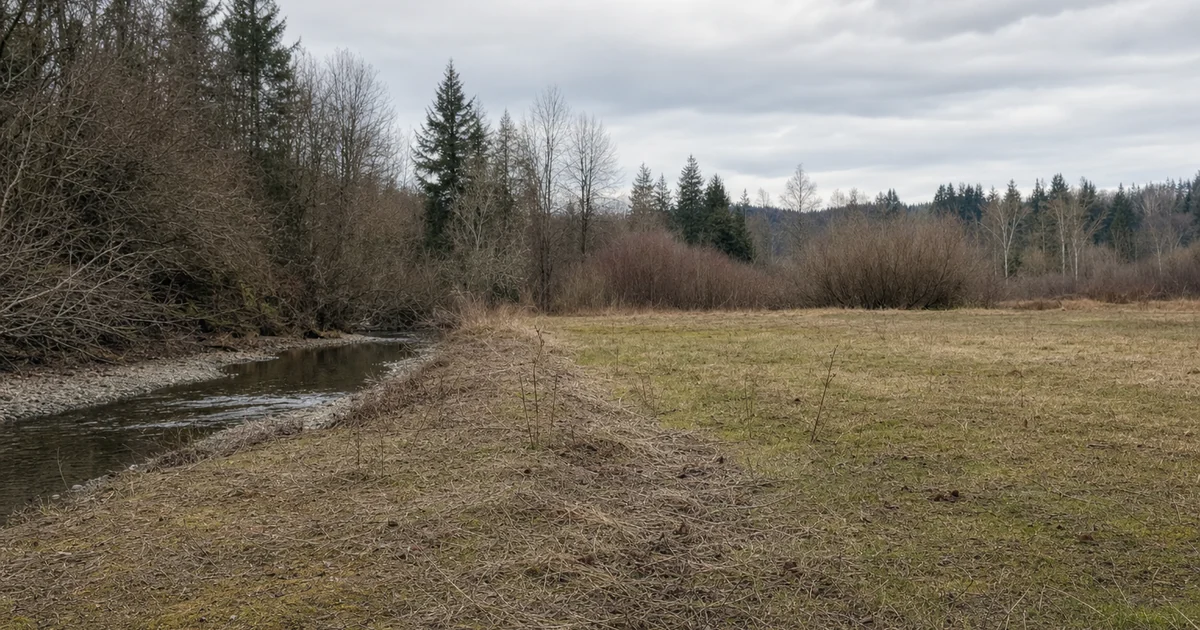 Due Diligence
Base Flood Elevation: How to Tell if a Lot Is in a Flood Zone Before You Buy
Base flood elevation is the water height of a 1% annual chance flood. How to check a flood zone, what the letters mean, and what to ask before closing.
Read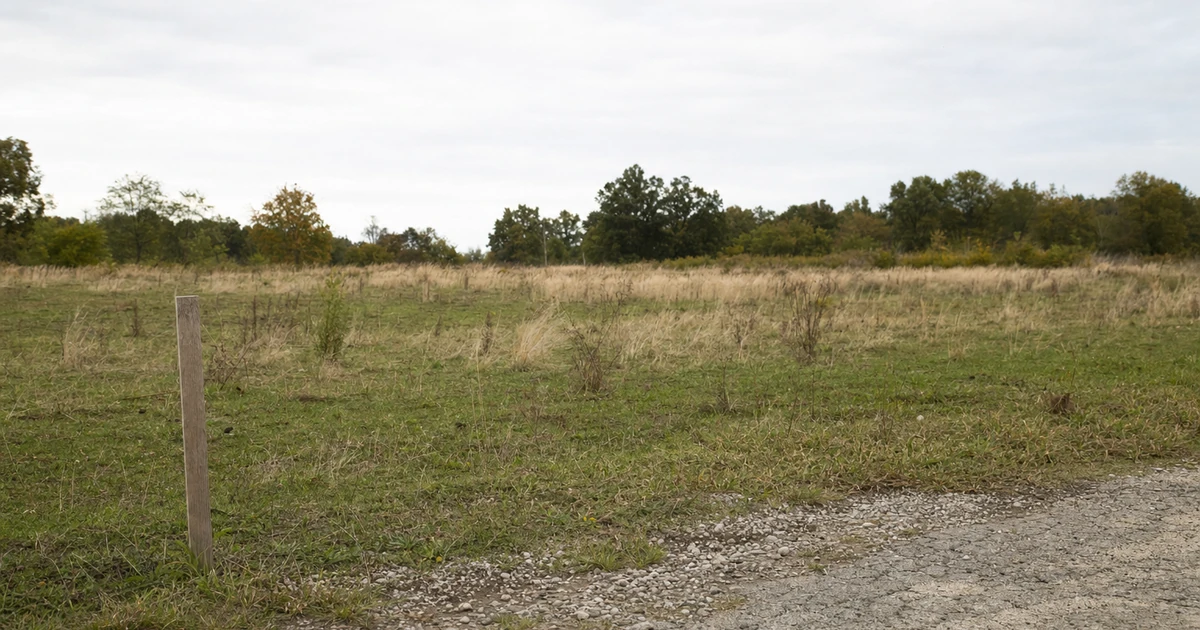 Due Diligence
Land Feasibility Report: When to Order One and Who Pays
Order a land feasibility report inside your contract's investigation window. Who pays depends on the contract. What to tell a buyer client, and when.
Read Due Diligence
Wetland Delineation: How to Tell if a Property Has Wetlands Before You Buy
A blank wetlands map and dry ground don't mean a lot is clear. What a wetland delineation is, how to check before you buy, and what to ask first.
Read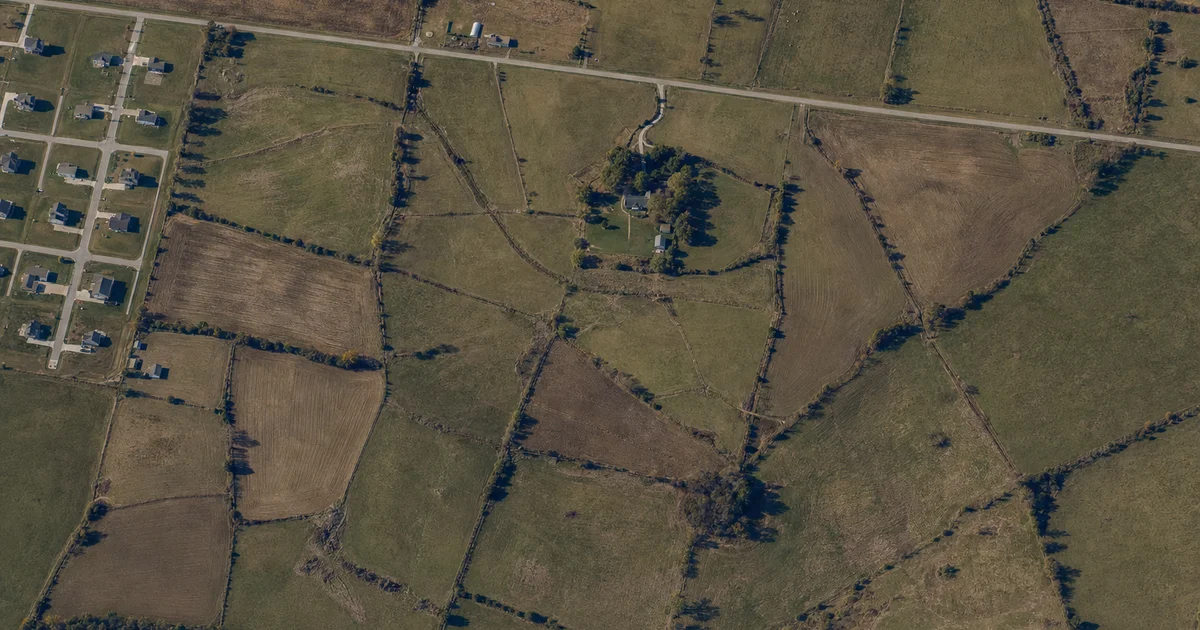 Due Diligence
Legal Lot of Record: What a Tax Lot Number Doesn't Prove
A tax lot number and a recorded deed don't prove a lot was lawfully created. What legal lot verification is, when it comes up, and what to ask first.
Read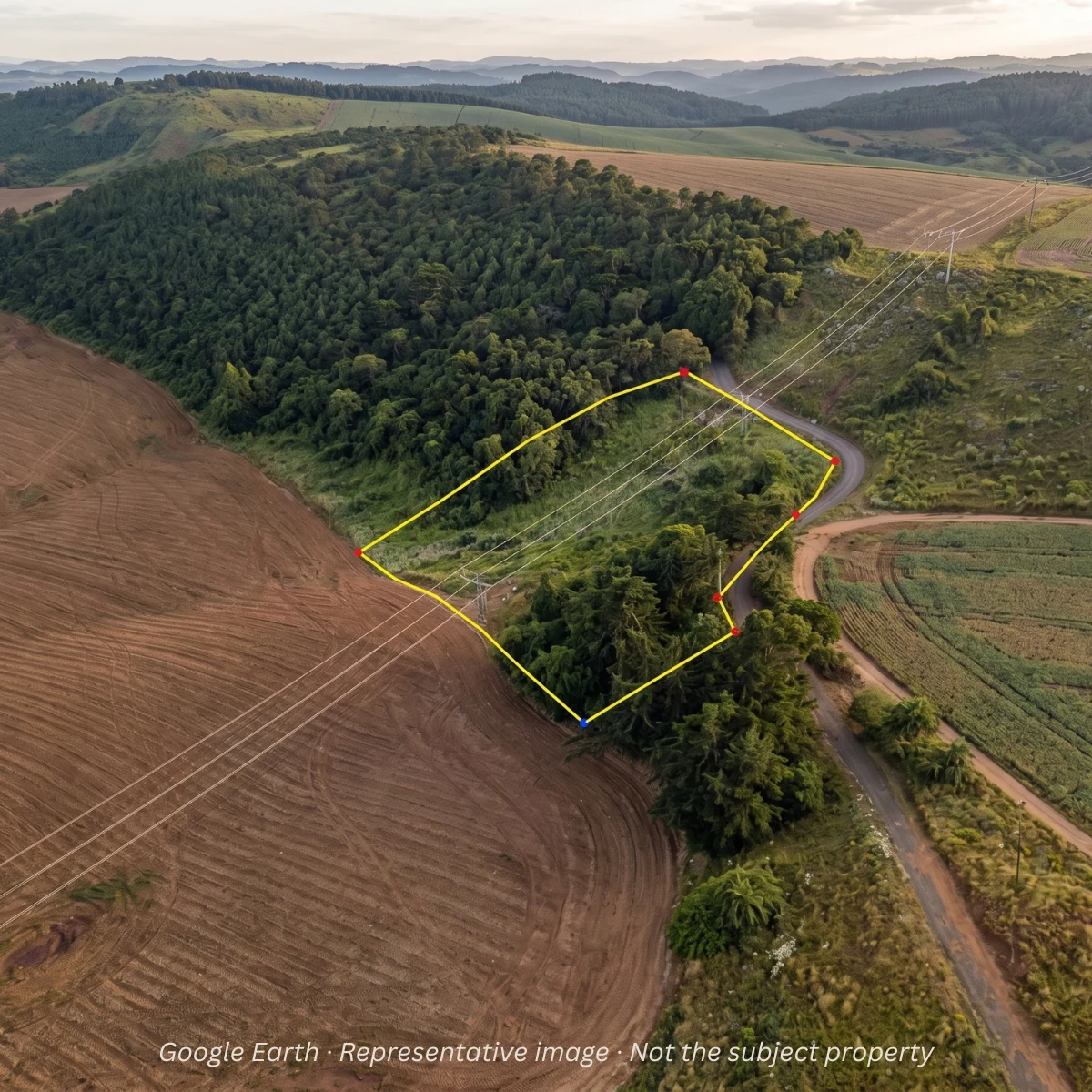 Due Diligence
The Listing Said Power Was Available. The Lines Were Transmission.
Power lines along a parcel don't mean usable power. How to tell transmission from distribution lines, and what one power line easement took on a real parcel.
Read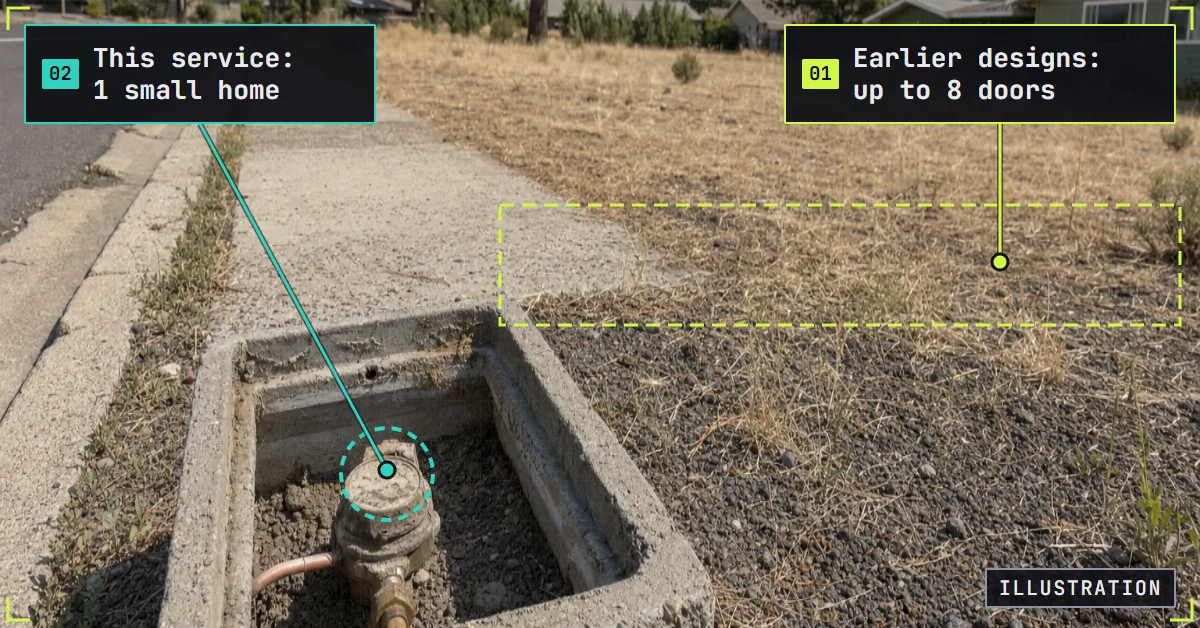 Due Diligence
How Much House Can an Infill Lot Hold? Start With the Water Meter
Water meter size can cap an infill lot's density. This lot was eligible for middle housing, but the supplier would serve one small home. What to ask first.
Read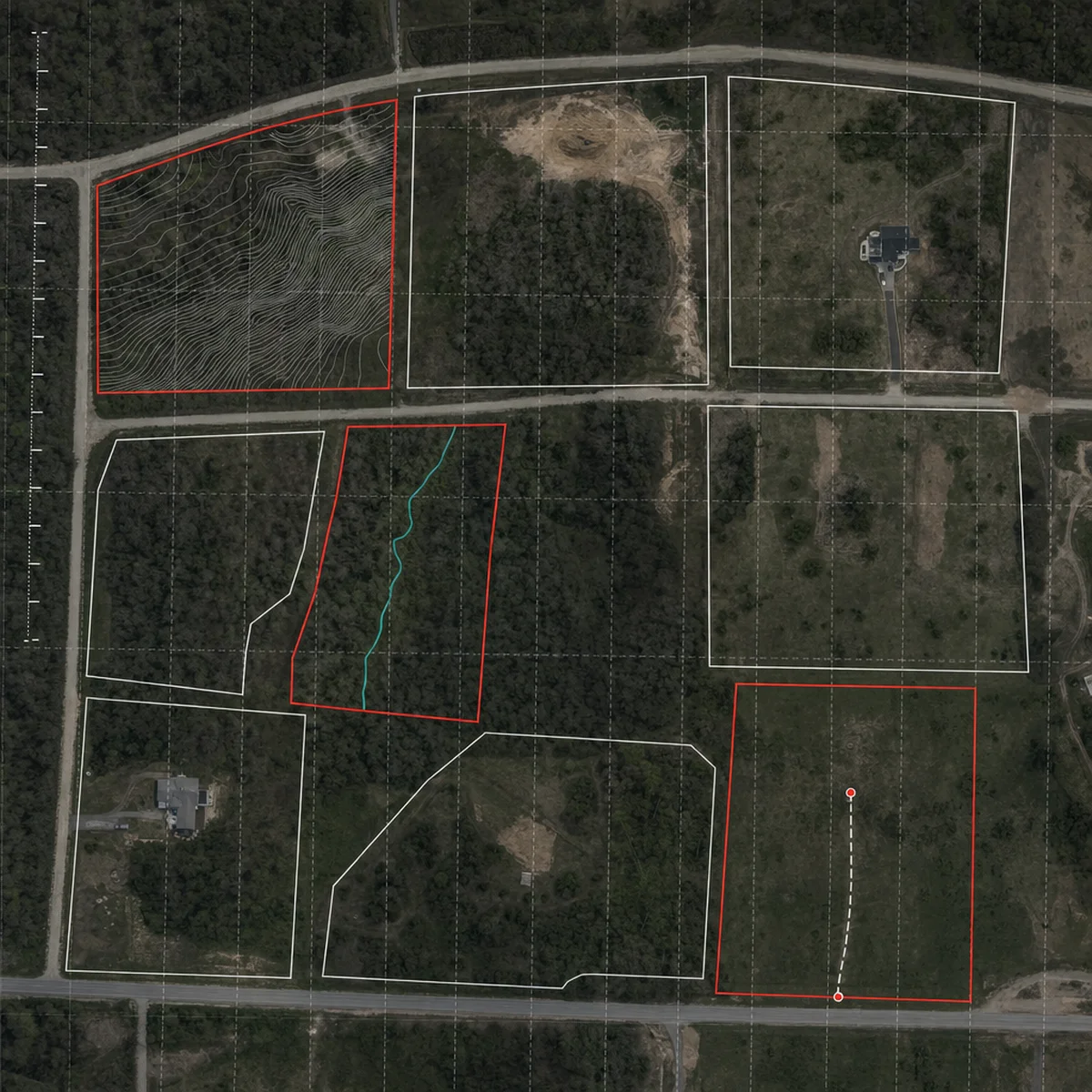 Due Diligence
Running 170 to 200 On-Your-Lot Homes a Year Showed Me Where Land Due Diligence Breaks
Who ends up checking the customer's lot as an on-your-lot builder grows, what that cost us, and what changed when I did it before the contract.
Read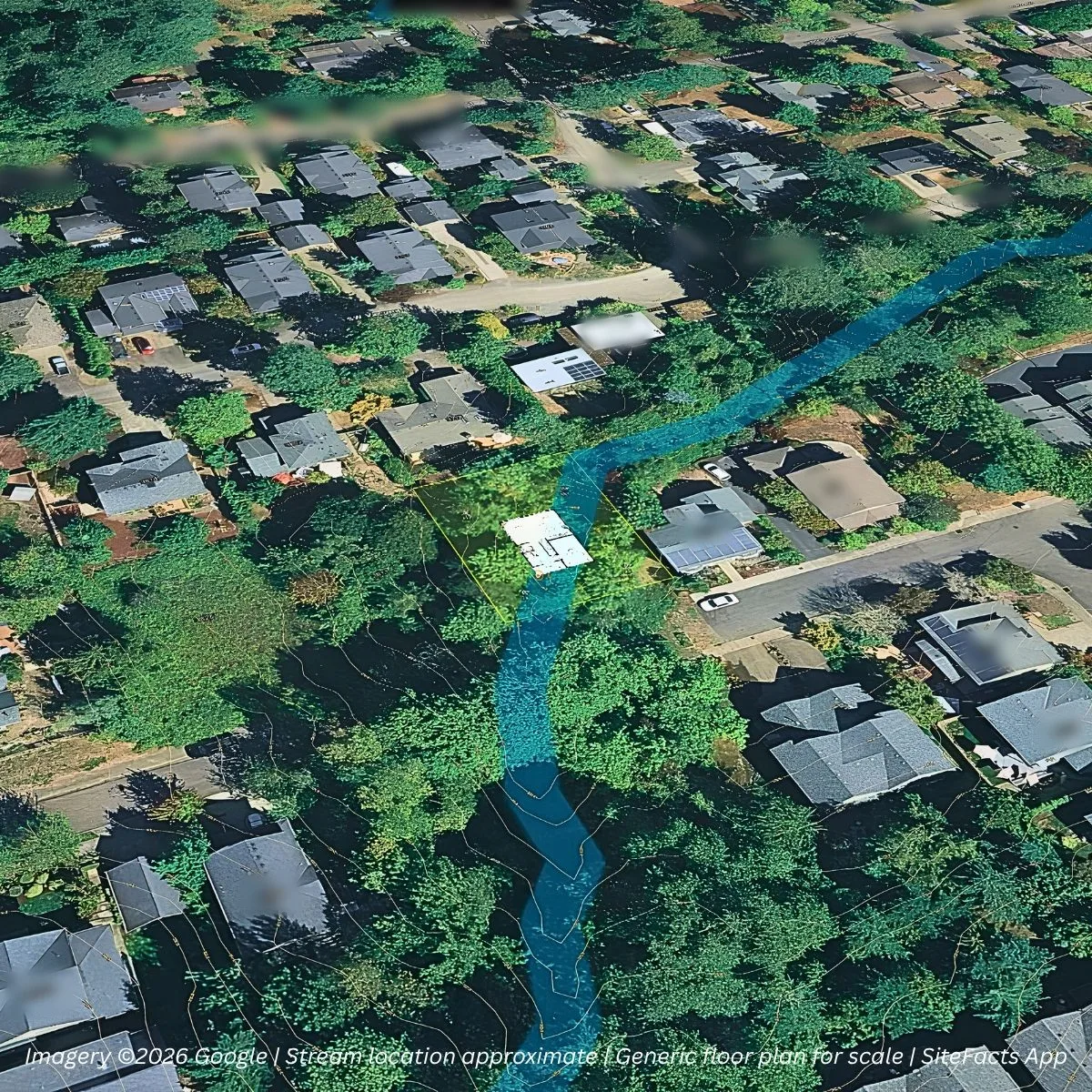 Due Diligence
Why Is That Infill Lot Still Vacant?
Every reason to buy was on paper. Every reason to walk was under the trees. A Pacific Northwest infill case study, and the seven checks to run before you buy a vacant lot in the city.
Read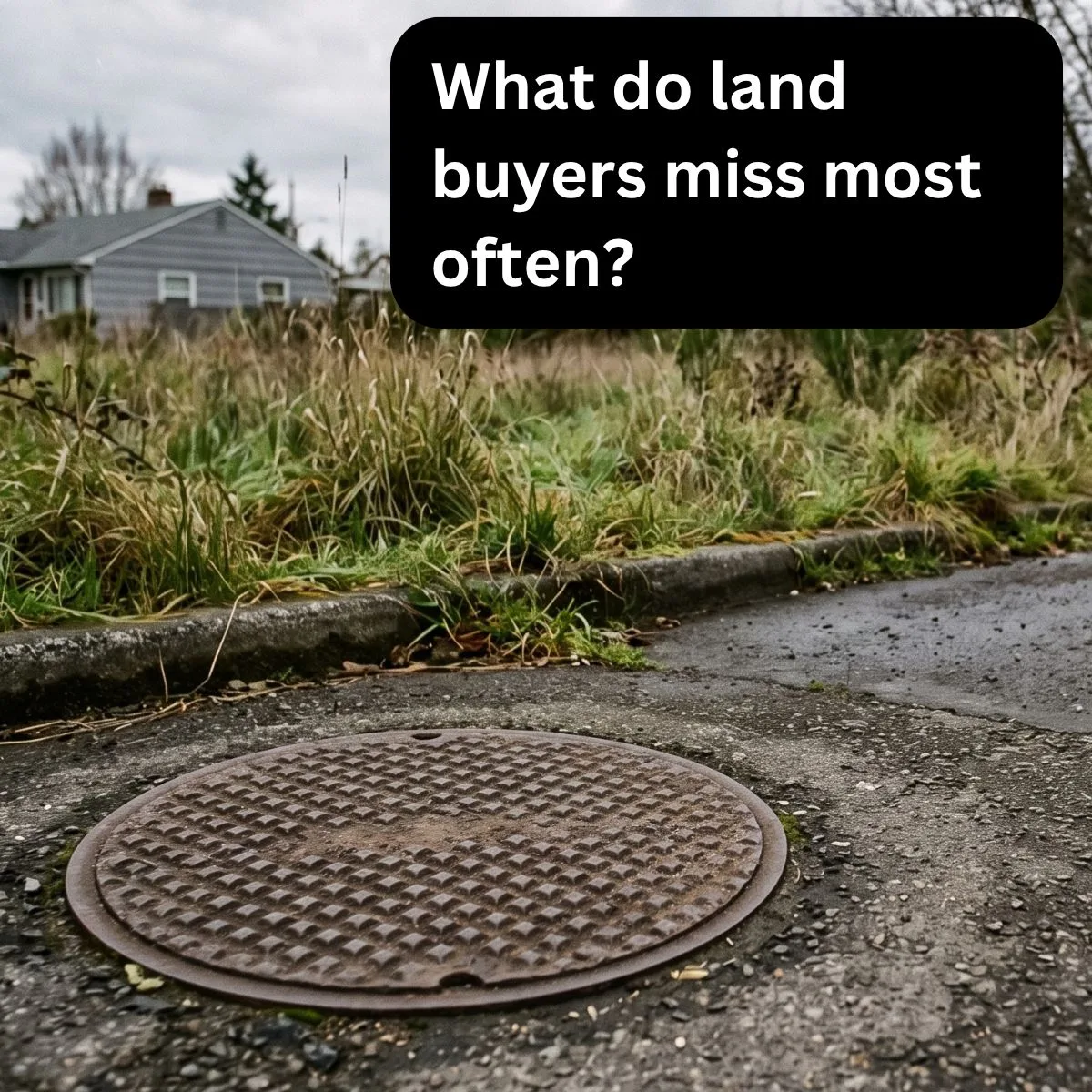 Due Diligence
What Land Buyers Find Out Too Late
The listing isn't wrong. The city isn't wrong. Nobody asked the next question. Here's what slope, zoning, and utilities can cost when you find them after the offer instead of before.
Read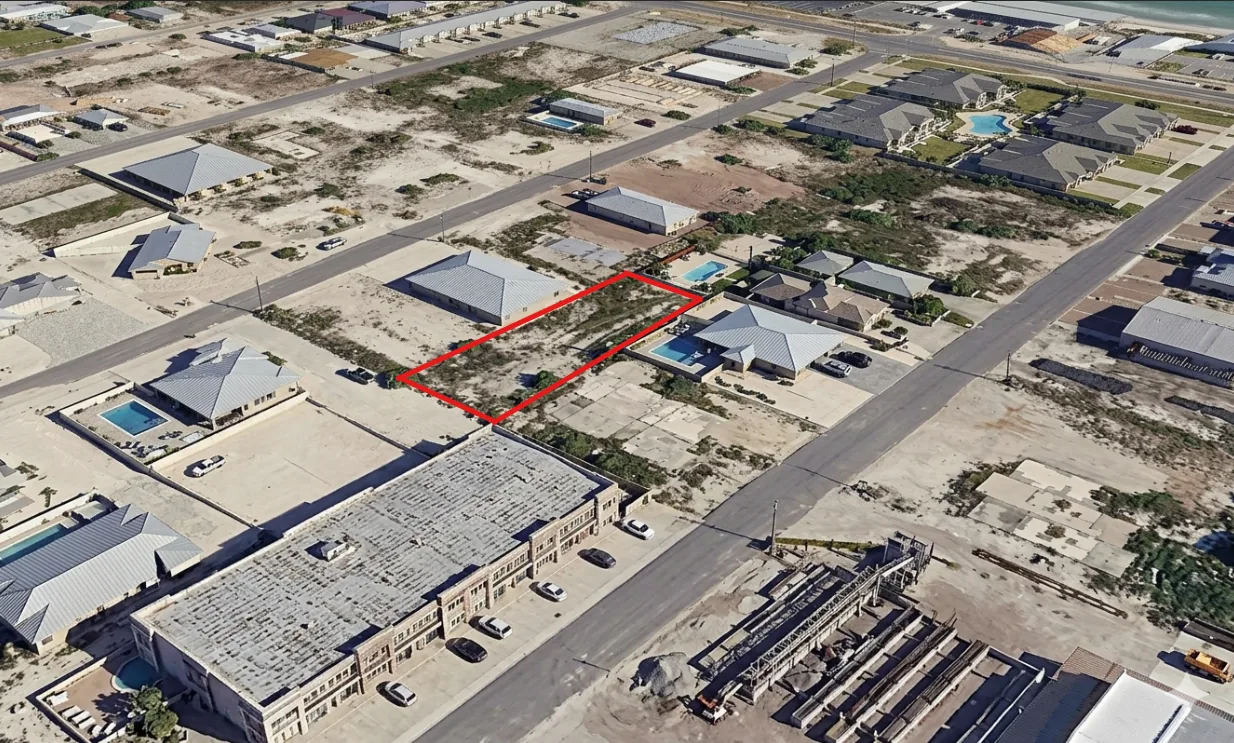 Due Diligence
The Landlocked Lot That Wasn't
A Florida lot priced as landlocked hid a recorded access easement and a wrong flood zone, up to $180,000 in value that a title report missed. The difference was researching three parcels instead of one.
Read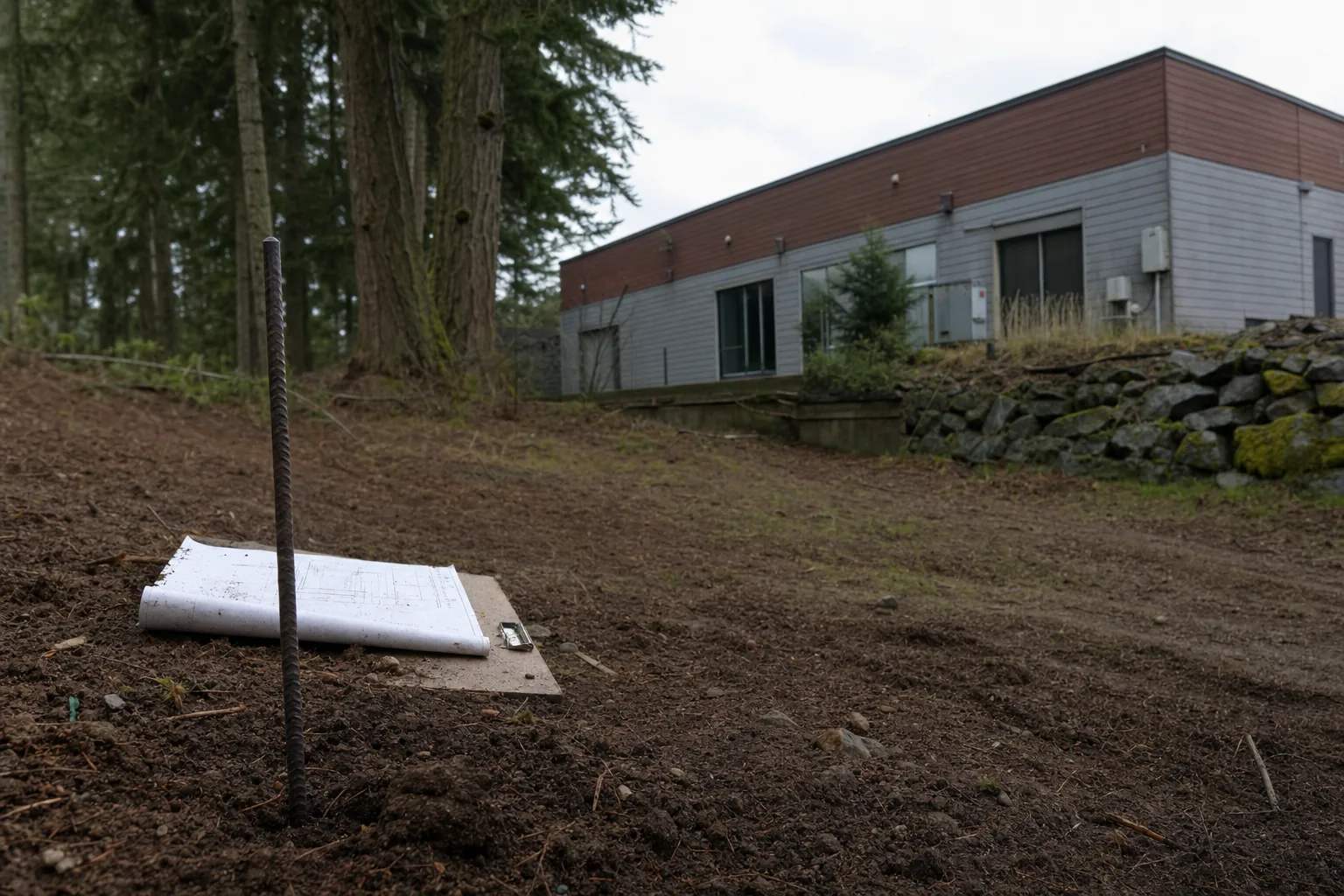 Due Diligence
What a Dead Permit File Revealed for an ADU Investment
A commercially zoned lot with an old residence can carry grandfathered residential rights, and an abandoned permit file can hand you sewer, power, and parking answers before you ever call a builder.
Read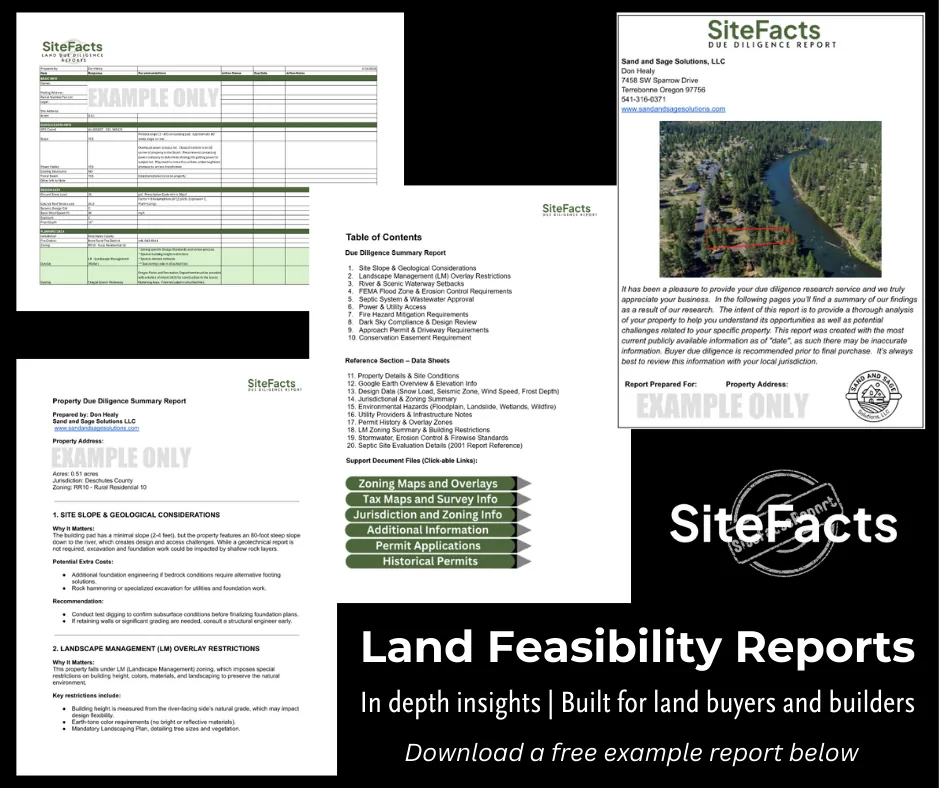 Due Diligence
What Is a SiteFacts Report? Your Land Feasibility Cheat Code
A SiteFacts Report is a plain-English due-diligence file that tells you whether a piece of land is actually buildable, before you spend a dollar on design or closing.
Read Due Diligence
Don't Trust the Fence: Why a Land Survey Is a Must Before You Buy
A fence is not a property line. It just looks like one. On a tight lot, that gap can erase your entire build, and a survey is the only way to know before you're stuck with it.
Read Due Diligence
What Is Due Diligence, and Why Do You Need It Before Buying Land?
Due diligence is the homework that separates a good land deal from a money pit. Here's what it actually covers, and why it belongs before the offer, not after.
Read