Running 170 to 200 On-Your-Lot Homes a Year Showed Me Where Land Due Diligence Breaks
Who ends up checking the customer's lot as an on-your-lot builder grows, what that cost us, and what changed when I did it before the contract.
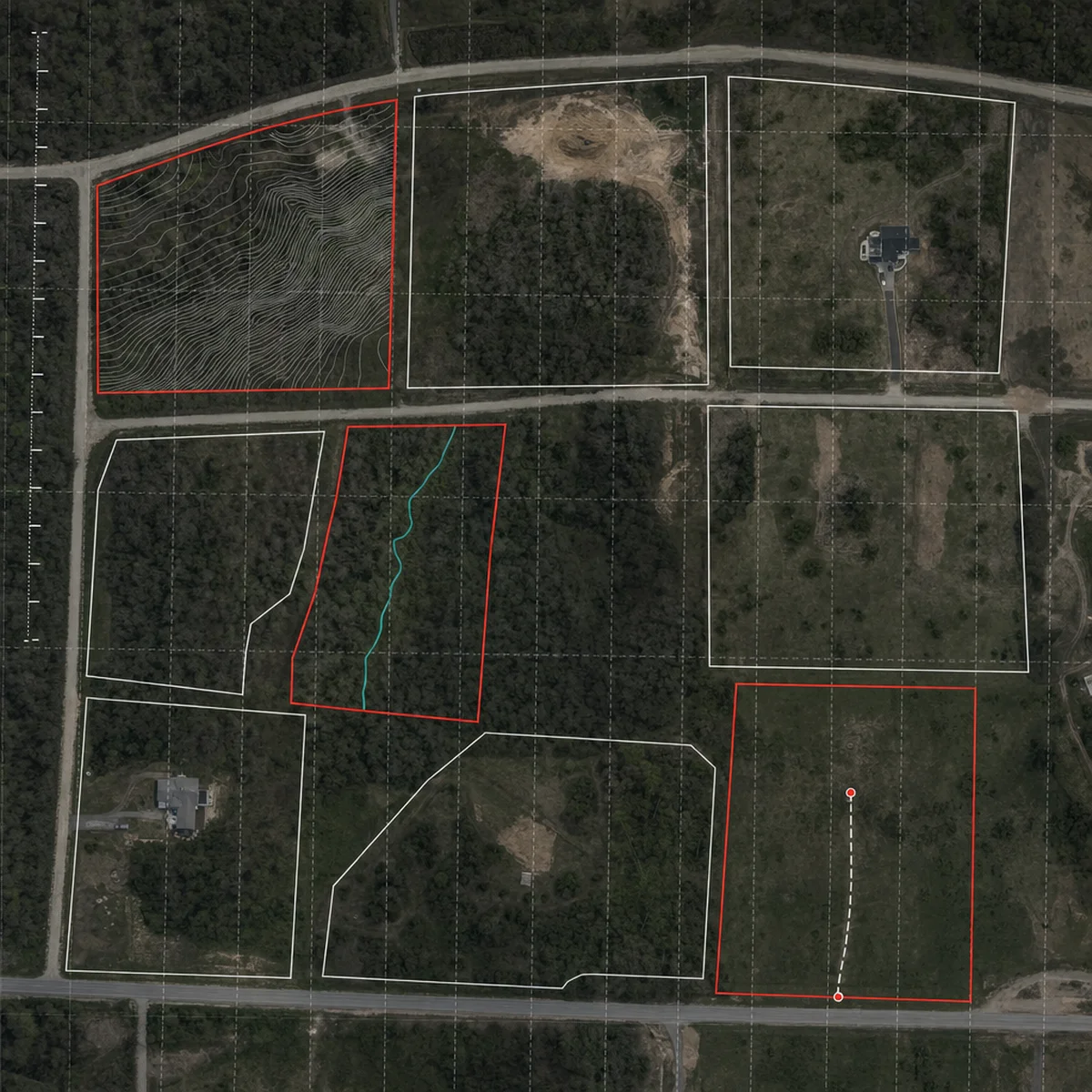
I ran construction, then operations (plans, permits, estimating), at an on-your-lot builder doing about 170 to 200 homes a year. Those homes went on lots customers brought to us. The Census Bureau’s Survey of Construction calls these contractor-built houses: houses “built for owner occupancy on the owner’s land,” under a single general contractor.
That model has a quiet weak spot. The builder doesn’t pick the lot, so the builder does not know what is on it until somebody looks. That look is land due diligence: checking what’s on the lot before the customer signs. Here’s what I saw when it broke.
The short answer
Land due diligence breaks as an on-your-lot builder grows because the work lands on people who can’t do it well. Past roughly 20 to 30 homes a year, salespeople lack the training and superintendents lack the time. Site problems then surface at permit submittal or mid-construction, after the customer is under contract.
Five homes a year versus twenty-five
A custom builder doing about 5 houses a year can walk each customer through their lot personally. The owner can stand on the dirt, look at the paperwork, and give an honest answer.
That stops working somewhere past 20 to 30 homes a year. There are too many lots and too many customers for one person’s judgment. The builder needs a standard way every incoming customer lot gets screened before anyone quotes a price.
Most builders don’t set that up on purpose. The work drifts to whoever is closest, and that is usually one of two groups.
Option one: the sales team
Builders lean on the sales team for land evaluation because sales talks to the customer first. It makes sense on paper.
The trouble is the person you need. Someone really good at selling and really good at land due diligence is rare. You can’t find that person, you have to grow that person, and for us that took about three years of intensive training.
Meanwhile the rep has a customer who wants a price and a start date. A rep who is not sure what a wetland buffer or a utility extension means for this lot is left to guess or push the question down the road.
Option two: the superintendents
Superintendents are the fallback. They know dirt, they know what things cost, and they can read a site.
But with 5 to 10 houses under construction, nobody wants to spend four or five hours at a computer researching a lot. They’re doing it between emails and phone calls, hoping they didn’t miss anything. The houses already in the ground tend to win that fight.
What it looks like when it breaks
With both groups stretched, the lot research gets thin, and the lot shows its hand later. The timing is the whole problem.
| Found before the contract | Found at permit submittal or mid-construction |
|---|---|
| The customer sees the site cost next to the home price | The customer finds out after financing is often locked |
| You can price the site and set expectations | The price and expectations are usually already set in the contract |
| You can redesign, adjust or walk | Your options are mostly gone |
At the builder I worked for, we kept hitting issues the customer didn’t know about, found at permit or during construction, and they stopped the whole process. Customers were upset. It cost them money, and it cost us time.
Almost every lot I saw had something. Usually it was small: an extra 30-day planning review, an additional permit, a required survey or engineer. A wetland-related hold was one version of that review. These examples vary by jurisdiction, so treat them as examples, not a checklist. Each one was small. Each one is something you want to know before the contract.
Some were bigger. I’ve seen about 6 feet of slope across a lot add around $40,000 in excavation and retaining walls. I have seen “utilities nearby” turn into extending the public water or sewer main about 200 feet, at around $80,000. I covered slope and utility costs in an earlier post. A lot can also look fine on paper and still carry a creek nobody saw. Nobody was lying in any of those. Nobody had asked the next question.
Site work is the line item you know least at contract
The National Association of Home Builders (NAHB) ran a 2024 cost survey in which site work averaged 7.6% of construction costs. The survey covers a sample of its member builders, so treat that as one data point, not a national average.
Site work on a customer’s lot was the line item that varied most and was least known at contract. You priced the house. You did not get to choose the dirt it sits on.
What changed when I moved it to the front
I moved due diligence to the front, which just means before the contract. Sales and I set expectations with the customer before they signed, not after. Issues came up before the customer had committed, instead of at permit. And permitting, operations and construction stopped getting blindsided by problems the customer never heard about.
The problems didn’t go away. The lots still had something. The difference was that we found it while there were still options, and the customer heard it from us first.
One SiteFacts builder partner saw the same thing. A builder partner of ours in Minnesota found about $215,000 in site costs before contract. That is one example of what an early look can turn up, not a typical result.
How we handle the front end at SiteFacts
This is the job we built SiteFacts to do for on-your-lot builders. Your salesperson screens the customer’s lot in the first conversation with the SiteFacts App. SiteScore screens zoning, floodplain, wetlands, access and slope. The SiteFacts Report is the deep dive, human-reviewed, with its findings cited to the city, county or state rule behind them.
SiteFacts does not make the go or no-go call. It surfaces the conditions early enough for you and the right professionals to price, redesign or walk. View a sample report to see what the findings look like.
Look at the lot before the contract
Screen the customer’s lot before the contract is signed. The aim is that your sales team can talk about site conditions with the customer up front, and your superintendents spend their time building instead of researching.
Look at the lot before the contract.
Start with a screen of the customer's lot in the first conversation, then go deeper where the lot calls for it.
Related reading
 Due Diligence
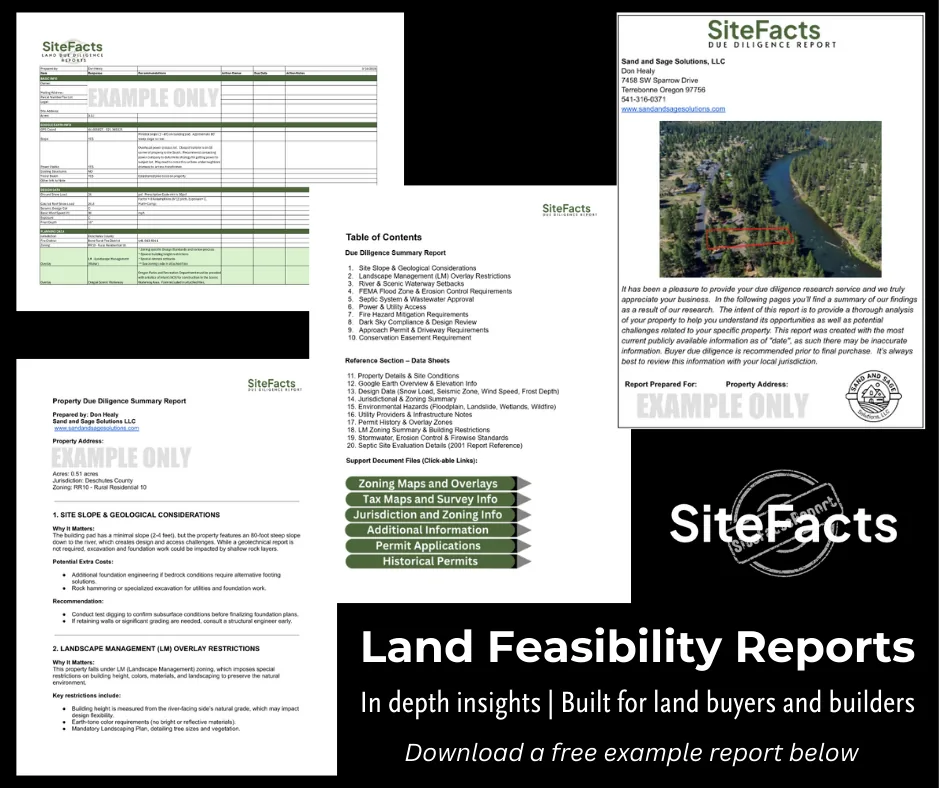
What Is a SiteFacts Report? Your Land Feasibility Cheat Code
A SiteFacts Report is a plain-English due-diligence file that tells you whether a piece of land is actually buildable, before you spend a dollar on design or closing.
Read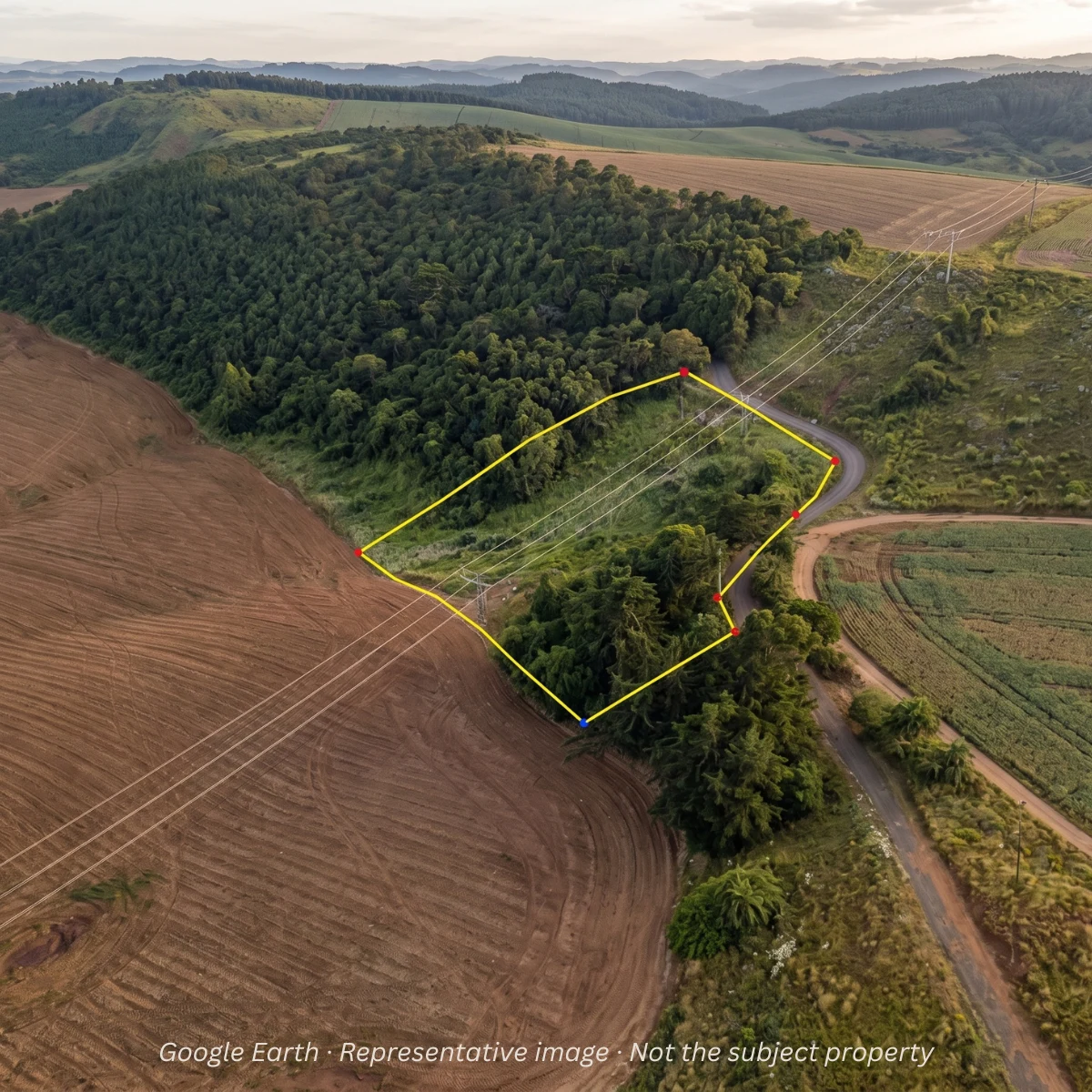 Due Diligence
The Listing Said Power Was Available. The Lines Were Transmission.
Power lines along a parcel don't mean usable power. How to tell transmission from distribution lines, and what one power line easement took on a real parcel.
Read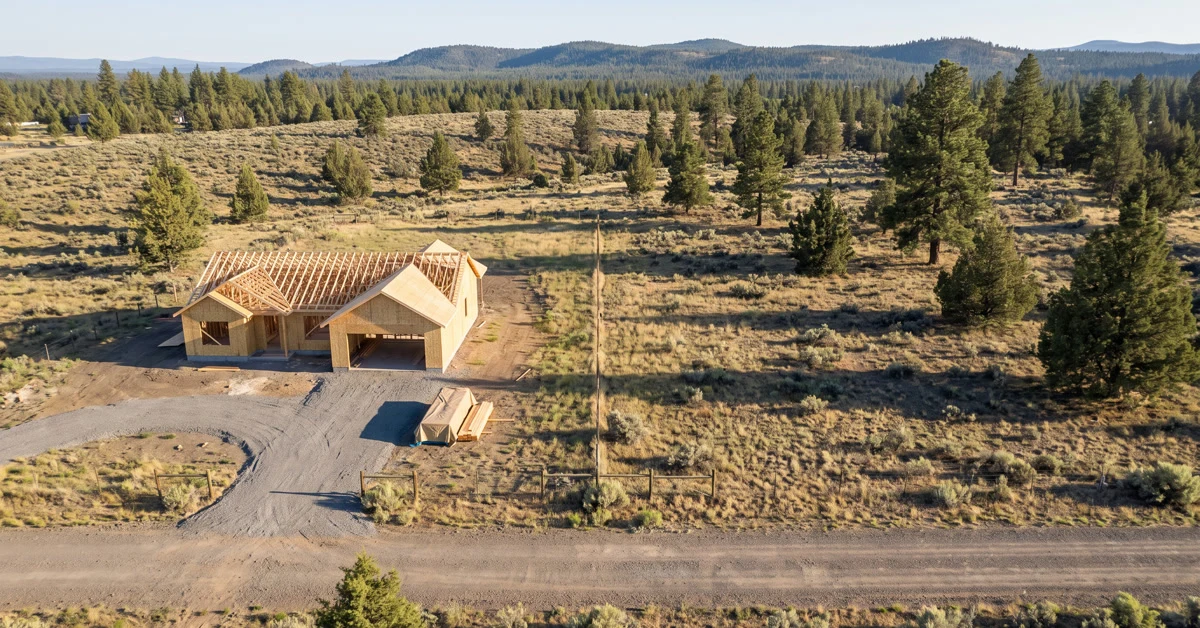 Fire Safety
Oregon's Wildfire Map Is Gone. Here's What Decides Your Building Rules Now.
Oregon's wildfire map was repealed. R327 building standards now apply only where your city or county adopted them. Where they do, they can add $20,000 or more.
Read