What Professional Services You Actually Need to Build a Home on Your Own Land
Which surveys, engineers, and reports your lot requires isn't up to you or your builder. It's decided by regulation and covenants attached to the land. Read that layer before the builder conversation.
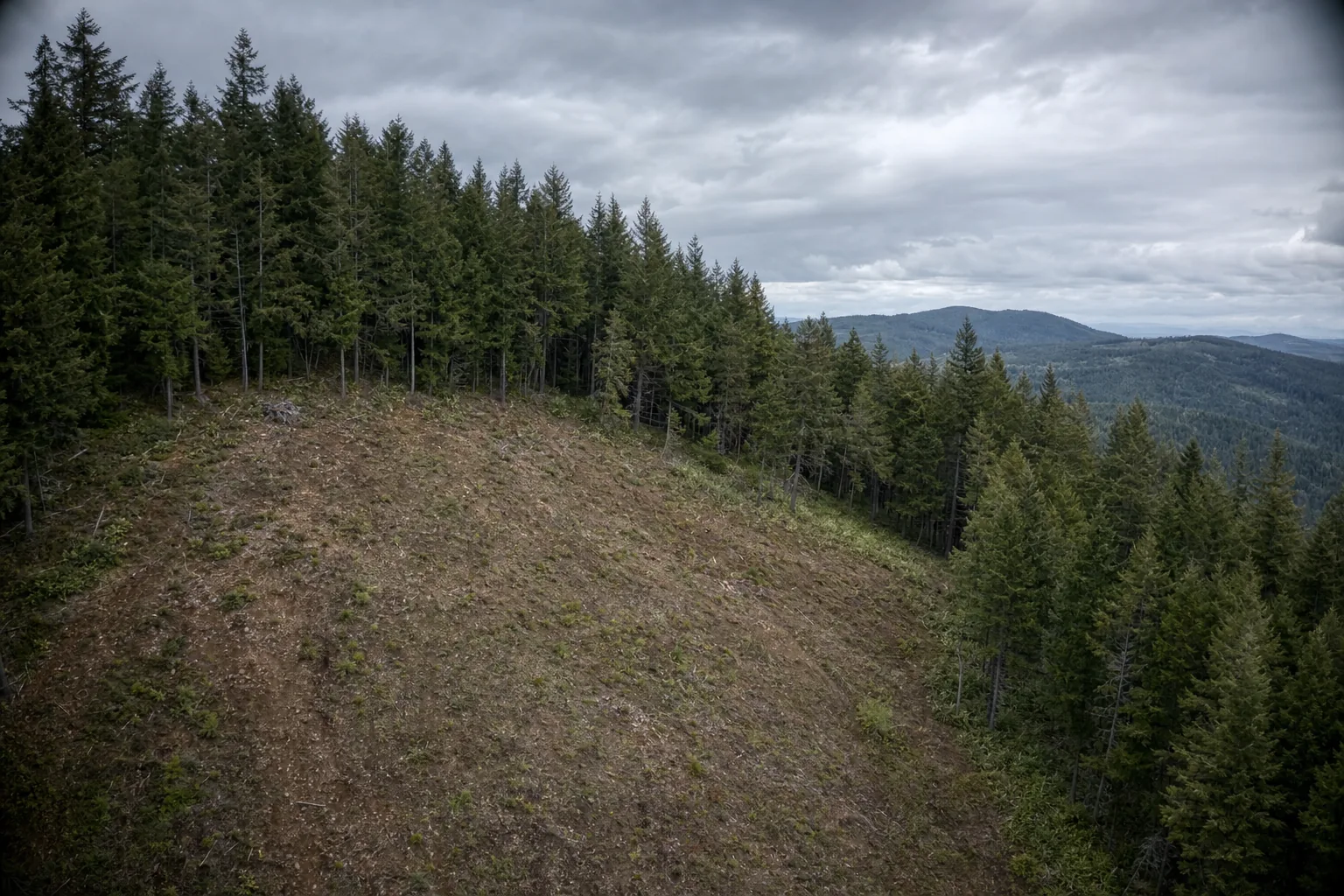
You bought the land, found a builder, and got a price. Then the permit application came back with a requirement you’d never heard of: a geotechnical report, mandatory because your lot sits on a slope greater than 15 percent inside a county geohazard overlay. Your builder didn’t know going in. It was never in the budget.
That $2,700 report would have been a simple line item before you signed anything. Inside a signed contract and a fixed timeline, it becomes a problem you solve with money you don’t have.
The requirements are attached to the land, not the builder
A residential build needs some combination of eight professional services, and which ones isn’t up to you or your builder. Three layers decide:
- Government regulation. Geohazard overlays (often triggered above 15 percent slope), landslide designations, and floodplain flags that make a service like a geotechnical report a mandatory permit condition.
- HOA and ARC covenants. Recorded instruments that run with the land and can require architect-stamped plans, landscape design, and grading plans regardless of what the county asks.
- Builder judgment. Everything above those two floors. It’s the third filter, not the first.
Cost surprises happen when the builder’s judgment is treated as the first filter instead of the last.
What the eight services cost
- Boundary survey ($500 to $2,500): where your property lines legally are, encroachments, easements, and all.
- Topographic survey ($1,800 to $6,500): slope, drainage, contours, true buildable area. Every downstream service uses this dataset.
- Geotechnical report (about $2,700, range $1,400 to $5,000): soil bearing capacity, settlement risk, expansive clay, water table. Soil can pass a bearing-capacity standard and still settle inches. This evaluates both.
- Civil engineering: the stamped grading plan, drainage design, and stormwater calculations a permit requires.
- Structural engineering ($8,000 to $30,000): foundation design, load calculations, retaining walls.
- Engineered fill and compaction testing ($200 to $500 per test): verifies fill hits 95 percent of Standard Proctor density (ASTM D698).
- Landscape architect: slope stabilization, erosion control, surface drainage.
- Architect (8 to 15 percent of build cost): most often triggered by HOA and ARC covenants, not the government.
Read the layer before the builder conversation
Every flag is public before your project starts: geohazard overlays in county GIS, slope in assessor records and LiDAR, covenants in the title chain, just scattered across systems that each need a different lookup. SiteFacts reads the regulatory layer on a specific parcel, grounded in more than 250 reports across 115 Pacific Northwest jurisdictions, so you sit down with the builder already knowing what the land requires.
Without SiteFacts
- Meet a mandatory geotech report in the permit correction letter
- Absorb the cost inside a signed contract and a fixed timeline
- Take a builder bid built on generic assumptions
- Discover an HOA architect requirement after the design is done
With SiteFacts
- Know your slope, overlays, and geotech trigger before you offer
- Budget every mandatory service up front
- Get a bid that reflects your parcel's real requirements
- Sit down with the builder already knowing what the land needs
The goal isn’t to eliminate professional-services costs. It’s to eliminate the surprise.
Read your parcel's regulatory layer first
A SiteFacts report flags the overlays, slope, and covenant triggers that decide which services your lot requires, before you hire a builder.